ICHRA Employer Guide

How employers design, launch, and manage premium-based ICHRA programs.

Predictable benefit costs

Multi-state workforce

Rising premiums

Structured administration with Lirvion

Why employers are considering ICHRA

Employers usually explore ICHRA (CHOICE Arrangement) when the traditional group plan no longer fits their workforce, budget, or renewal strategy.

How ICHRA works

  1. 01

    The employer designs the program

    The employer decides who will be eligible, what employee classes will be used, what monthly allowance amounts will be offered, and when the plan year will begin.

  2. 02

    Employees receive the ICHRA offer

    Eligible employees must receive required ICHRA information before the program begins or when they first become eligible.

  3. 03

    Employees shop for individual coverage

    Employees choose qualifying individual health insurance coverage, which may include Marketplace or off-exchange individual coverage depending on availability and eligibility.

  4. 04

    Employees confirm coverage

    To participate in the ICHRA, employees must have qualifying individual coverage and provide the required confirmation.

  5. 05

    Employees submit premium documentation

    Employees provide required premium or coverage documents based on the employer’s ICHRA process and plan rules.

  6. 06

    Premium amounts are reviewed against the allowance

    Approved premium amounts are applied against the employee’s available monthly allowance and program requirements.

  7. 07

    Records are maintained throughout the year

    The program should maintain documentation for eligibility, coverage verification, notices, premium activity, plan design, and reporting.

ICHRA vs. traditional group health insurance

ICHRA changes the structure of employer health benefits. With a traditional group plan, the employer selects the carrier, plan design, contribution strategy, and renewal path. With ICHRA, the employer defines an allowance strategy and employees shop for qualifying individual coverage.

Feature

ICHRA via ICHRA via

Traditional group health insurance

Budget Control

Defined budget.

Defined budget. Employer sets a monthly allowance by employee class.

Renewal-driven.

Renewal-driven. Annual renewal increases can make future costs harder to forecast.

Employee Choice

Flexible.

Flexible. Employees can choose from available individual market plans in their area, subject to eligibility and plan availability.

Limited.

Limited. Employees usually choose from the plan options selected by the employer.

Participation Minimums

No minimum.

No minimum. ICHRA does not use traditional group participation thresholds, but eligibility and documentation rules still apply.

Minimum required.

Minimum required. Many group plans require a minimum percentage of employees to enroll.

Network Portability

Portable.

Portable. The policy is individual, so employees may be able to keep their coverage if they change jobs, as long as premiums continue to be paid and coverage remains available.

Tied to employer.

Tied to employer. Employees usually lose group coverage when employment ends unless COBRA or state continuation coverage applies.

Administrative Burden

Structured.

Structured. No carrier negotiations or renewals; easily managed via software.

Heavy.

Heavy. Employers often manage annual shopping, carrier negotiations, contribution changes, and renewal decisions.

Designing employee classes & allowances

Employers may be able to design different allowance strategies for groups such as full-time employees, part-time employees, seasonal employees, salaried employees, hourly employees, employees in different locations, and other permitted categories.

  • How many employees are eligible?
  • Where are they located?
  • Are they full-time, part-time, seasonal, hourly, or salaried?
  • Does the employer want to offer ICHRA to everyone or only certain permitted classes?
  • Will the employer continue a group plan for any employees?
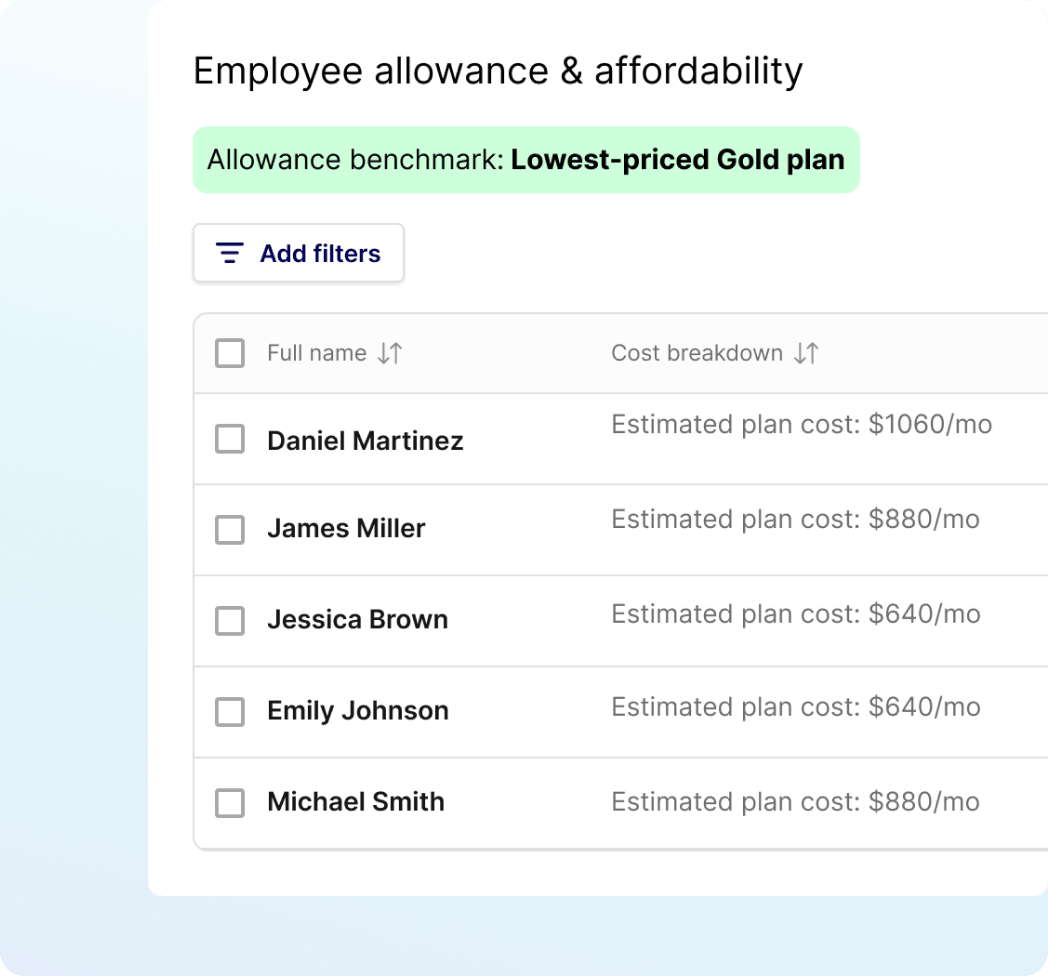
  • How much allowance is needed to support affordability goals?
  • How should dependents be handled?
Designing employee classes & allowances

ICHRA affordability and premium tax credits

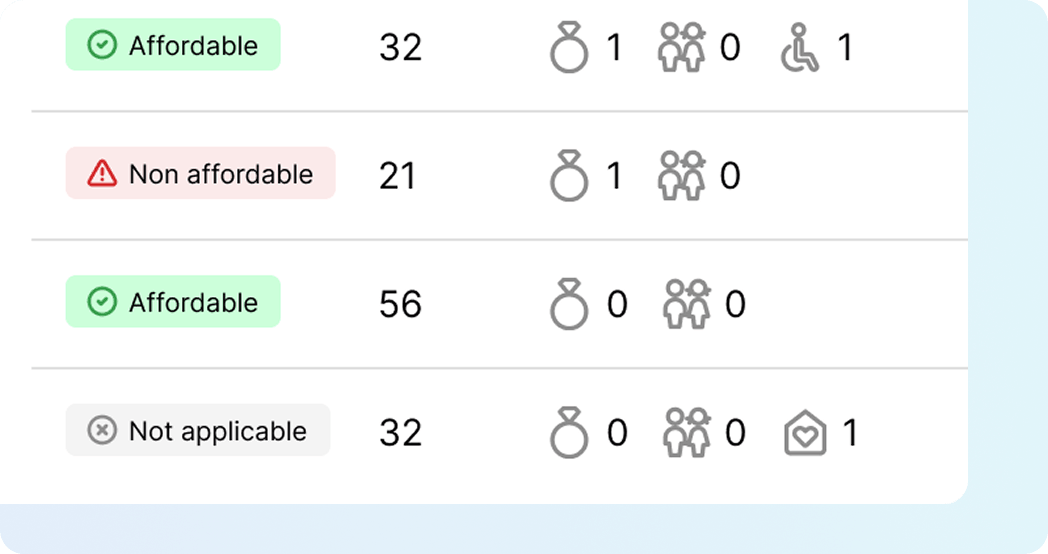
Affordability can affect employee premium tax credit eligibility, employer compliance strategy, and the employee’s real cost of coverage. Lirvion helps employers and brokers review affordability status, eligibility, and reporting with greater clarity.

ICHRA affordability and premium tax credits

Enrollment timing

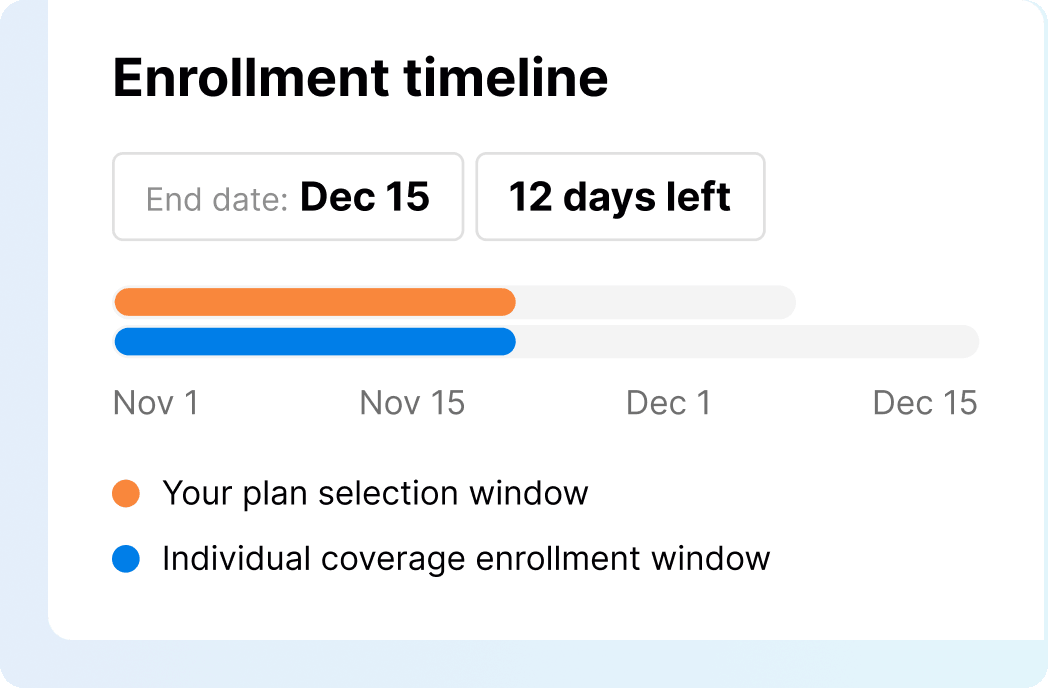
ICHRA can be offered at different times of the year, but timing matters.

    Open Enrollment period

    A January 1 start date often aligns with the individual market Open Enrollment period, which makes employee shopping and plan selection easier.

    Special Enrollment Period

    A mid-year ICHRA launch may create a Special Enrollment Period for eligible employees, but the employer must plan carefully so employees have enough time to understand the offer, shop for coverage, enroll, and confirm their coverage before the employee’s premium can be approved under the ICHRA.

Enrollment timing

Coverage verification and payment status

ICHRA administration requires verification of qualifying individual coverage before premium amounts can be approved and applied against the employee’s available allowance.

Lirvion helps organize coverage confirmation, premium documents, payment status, and compliance records in one structured process.

Coverage verification and payment status

How to avoid common employer pitfalls

ICHRA is flexible, but flexibility can create mistakes if the program is not designed and managed properly.

Common Pitfall

Solution via Solution  via

Treating ICHRA as a stipend

Treating ICHRA as a stipend ICHRA requires structured administration, documentation, and compliance—not simple stipend payments.

Structured benefit administration

Structured benefit administration Replace manual processes with a compliant, centralized ICHRA platform.

Ignoring affordability

Ignoring affordability Skipping affordability analysis can impact ACA compliance and employee eligibility.

Affordability guidance

Affordability guidance Design allowances with affordability review, eligibility visibility, and reporting support.

Poor employee communication

Poor employee communication Employees need clear guidance on coverage, enrollment, premium documents, and next steps.

Guided employee experience

Guided employee experience Help employees understand plan selection, enrollment paths, required documents, and status updates.

Manual tracking

Manual tracking Managing reimbursements and records manually increases administrative effort.

Organized administration

Organized administration Manage enrollment activity, payment status, and compliance records from one place.

No renewal strategy

No renewal strategy Without ongoing planning, renewals become reactive instead of strategic.

Continuous renewal planning

Continuous renewal planning Review program performance, employee participation, and renewal needs before the next plan year.

Common Pitfall

Treating ICHRA as a stipend ICHRA requires structured administration, documentation, and compliance—not simple stipend payments.

Ignoring affordability Skipping affordability analysis can impact ACA compliance and employee eligibility.

Poor employee communication Employees need clear guidance on coverage, enrollment, premium documents, and next steps.

Manual tracking Managing reimbursements and records manually increases administrative effort.

No renewal strategy Without ongoing planning, renewals become reactive instead of strategic.

Solution viaSolution  via

Structured benefit administration Replace manual processes with a compliant, centralized ICHRA platform.

Affordability guidance Design allowances with affordability review, eligibility visibility, and reporting support.

Guided employee experience Help employees understand plan selection, enrollment paths, required documents, and status updates.

Organized administration Manage enrollment activity, payment status, and compliance records from one place.

Continuous renewal planning Review program performance, employee participation, and renewal needs before the next plan year.

How Lirvion helps employers manage ICHRA

ICHRA changes the structure of employer health benefits. Lirvion gives employers and brokers a practical administration layer for setup, enrollment support, payment visibility, records, and renewals.

Build Your ICHRA Program With Lirvion

Give employees more choice while gaining greater control over healthcare costs. Lirvion helps you design, launch, and manage ICHRA with confidence.